

NanoGPT Blog
Updates, guides, and insights
Recent blog posts

All blog posts
Showing
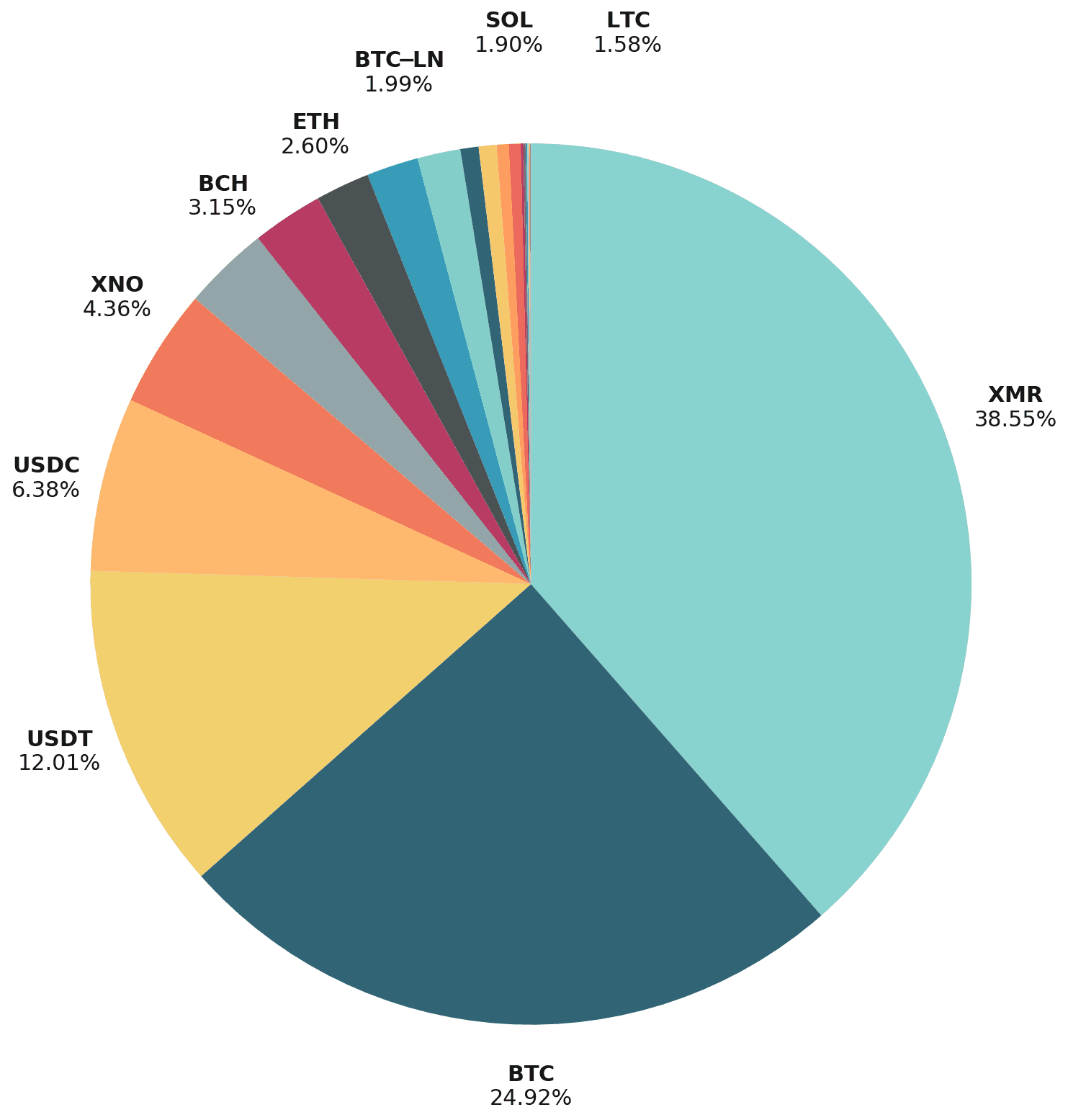
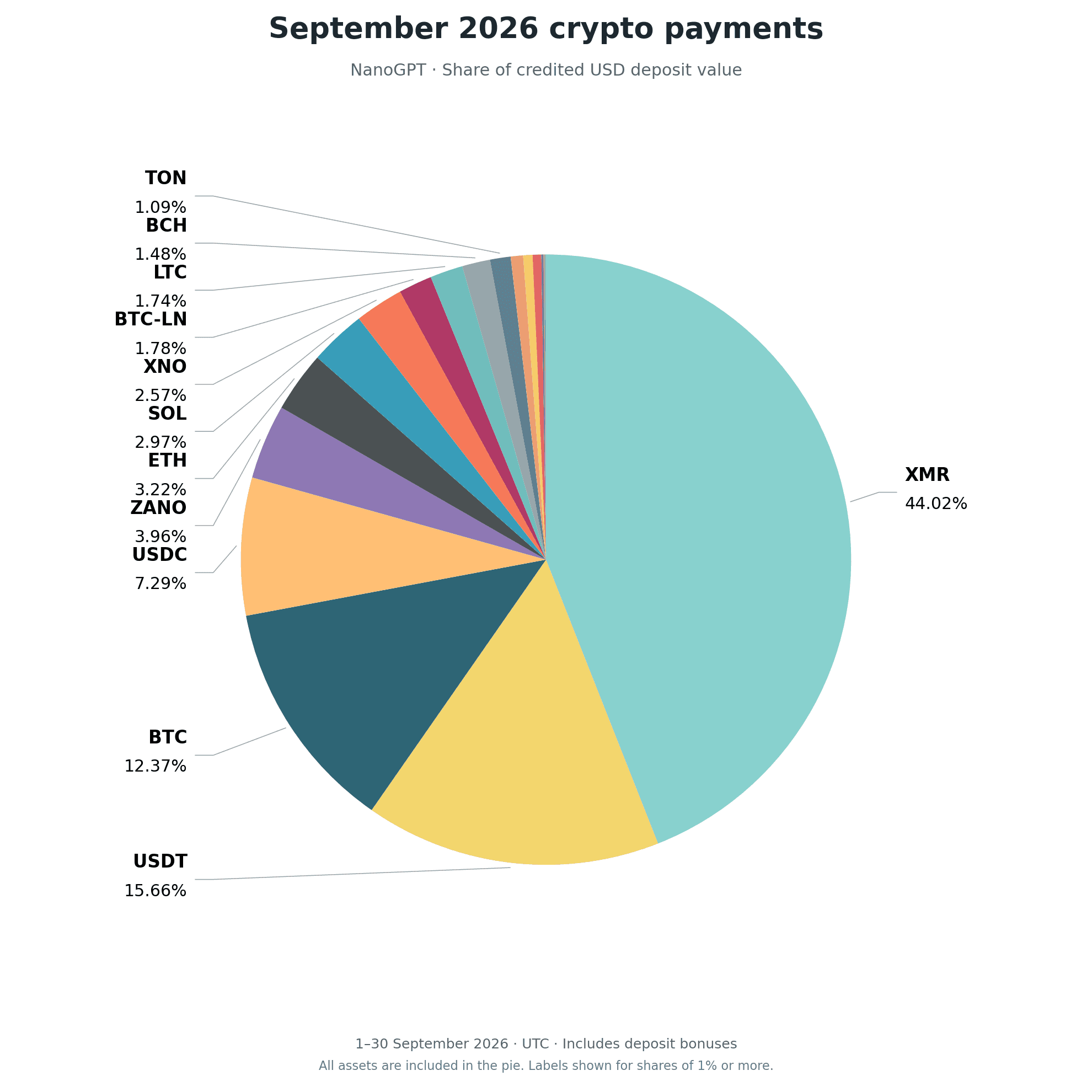
August 2026 Crypto Payment Statistics: Bitcoin Rails Gain, Monero Leads
August 2026 NanoGPT crypto deposit data, with Monero first at 38.55%, Bitcoin plus Lightning at 26.90%, and USDT plus USDC at 18.39%.
Crypto Payment Statistics: Monthly NanoGPT Merchant Data
Monthly cryptocurrency payment statistics from NanoGPT, tracking real merchant deposit volume across Monero, Nano, Bitcoin, Lightning, stablecoins, Litecoin, Zcash, and more.
Zero Data Retention Routing Across NanoGPT
NanoGPT can now enforce provider-declared Zero Data Retention across web chat, API keys, teams, fallbacks, and Auto Model routing.
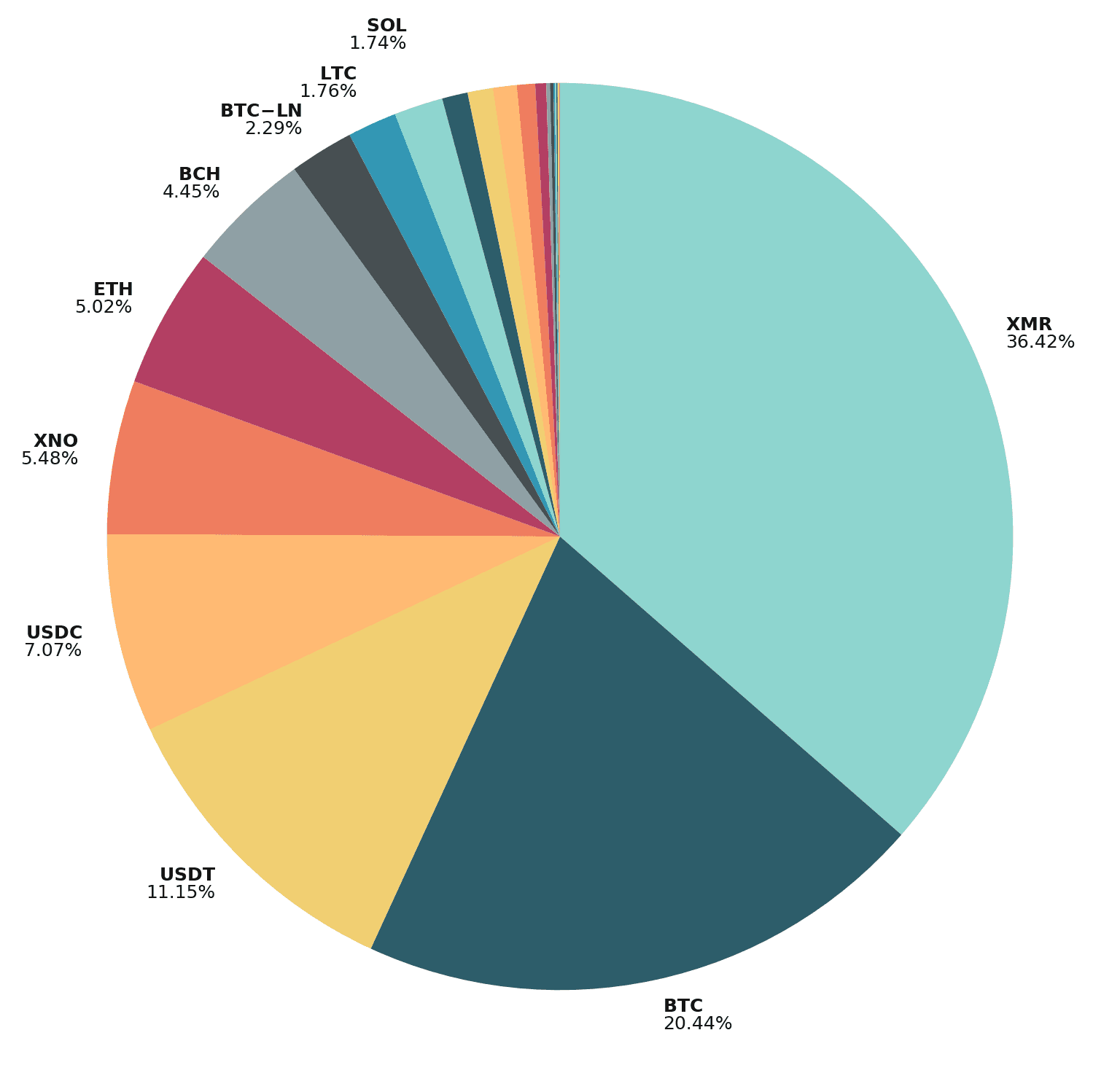
July 2026 Crypto Payment Statistics: Bitcoin and Stablecoins Gain
July 2026 NanoGPT crypto deposit data, with Monero first at 36.42%, Bitcoin plus Lightning at 22.73%, and USDT plus USDC at 18.22%.

Claude Opus 5: What Anthropic's Benchmarks Show
Anthropic reports gains for Claude Opus 5 in coding, computer use, knowledge work, and scientific research. See what the launch results suggest, their limits, and when Opus 5 is worth testing.

Qwen Image 3 Review: Text Rendering, Infographics, and Image Editing
We tested Qwen Image 3 on bilingual poster text, a dense infographic, photorealistic detail, and a controlled edit. See the actual outputs and where it still slips.