
Using Janitor AI through NanoGPT to access more models
Learn how to access more models on JanitorAI through NanoGPT's API.
Updates, guides, and insights
Showing
Learn how to access more models on JanitorAI through NanoGPT's API.
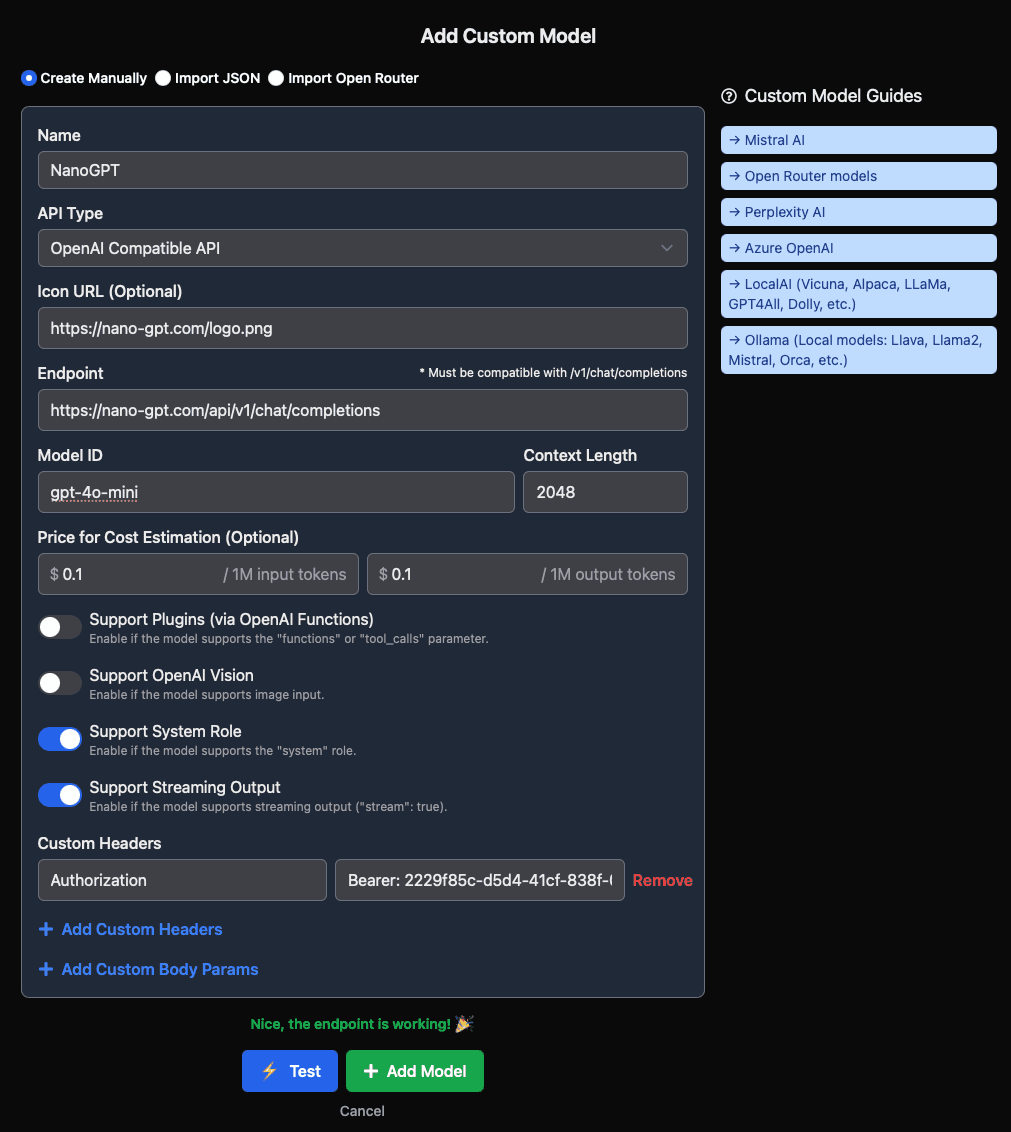
Learn how to access more models on TypingMind through NanoGPT's API.
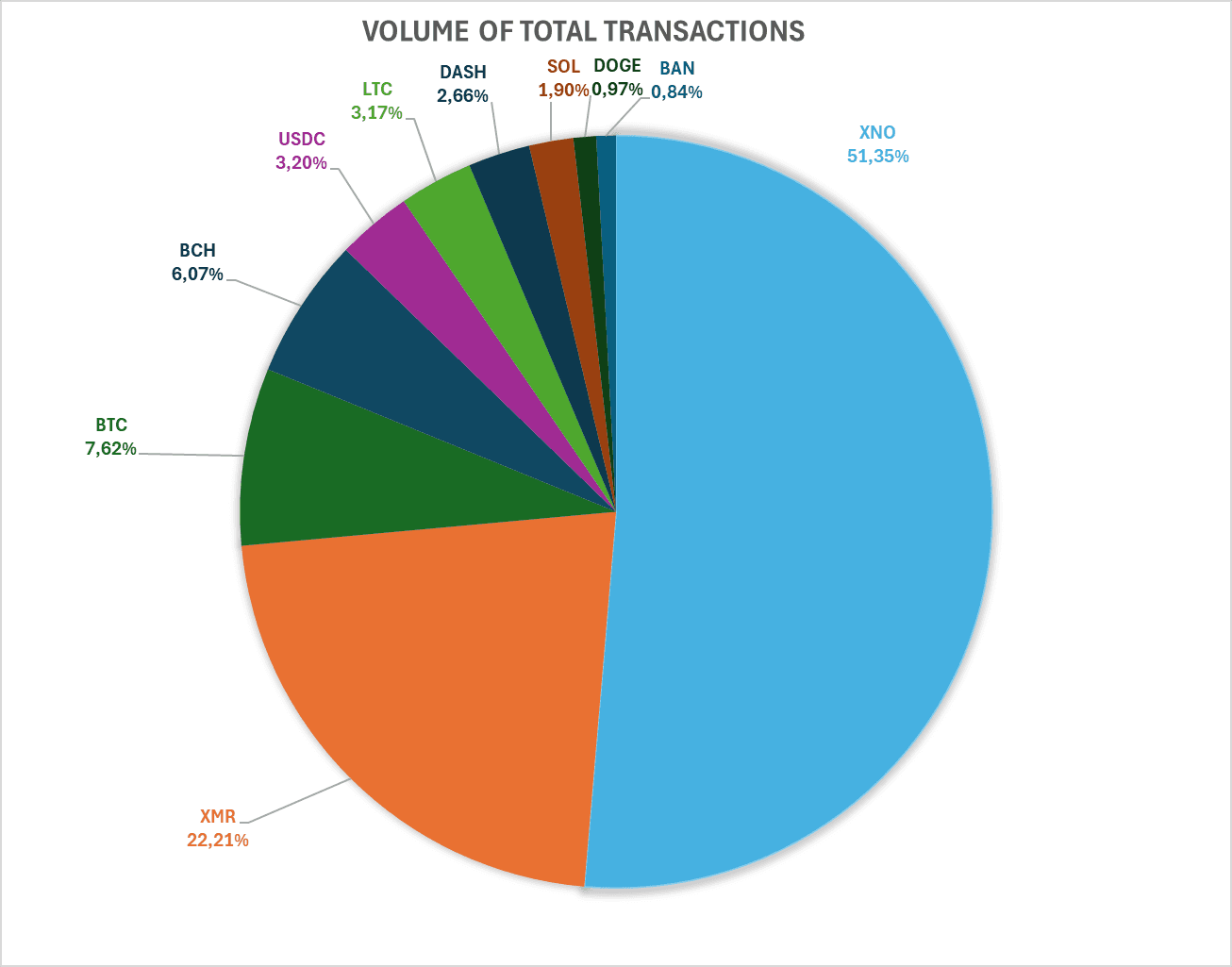
The first NanoGPT multi-coin crypto payment statistics report, comparing Nano, Monero, Bitcoin Cash, USDC, Dash, Litecoin, Bitcoin, and more.
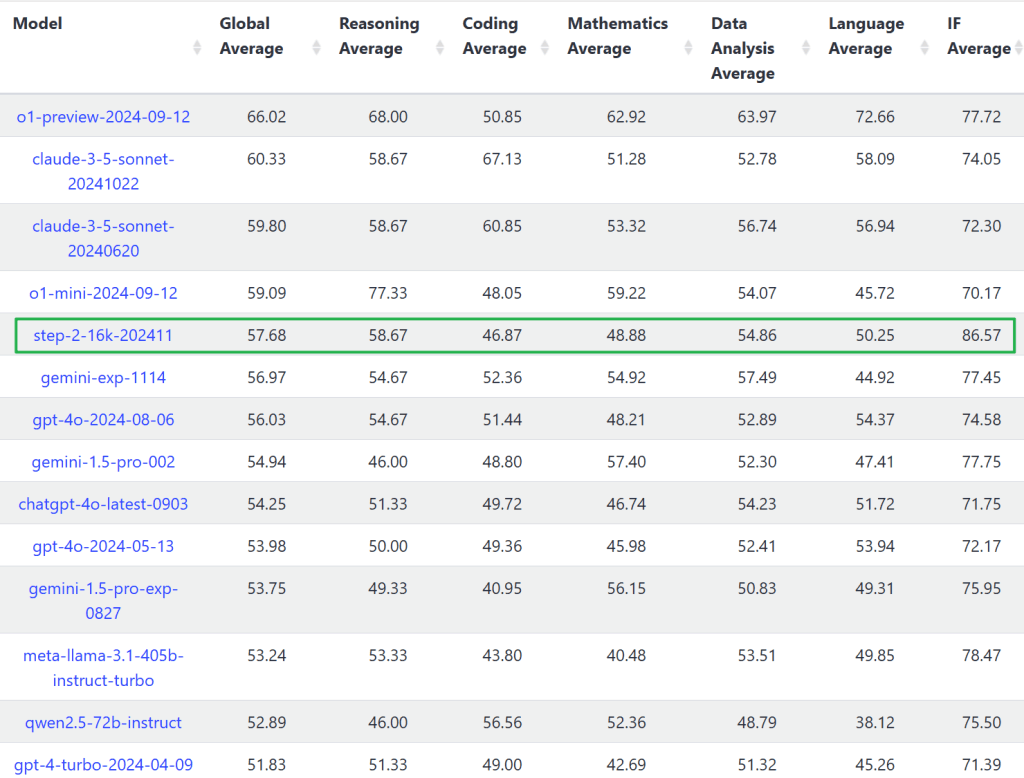
Step-2-16k is a powerful new Chinese LLM that ranks 5th globally. NanoGPT provides easy access to it.
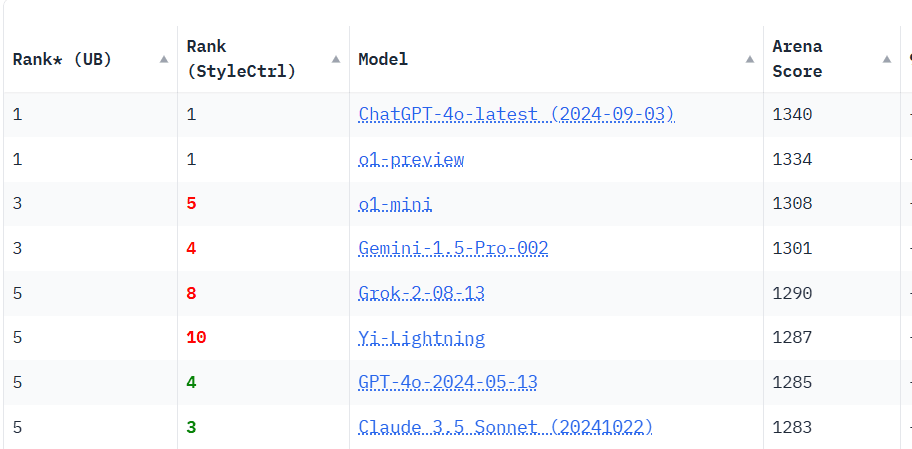
Yi Lightning is a new, Chinese-created model that is difficult to access. NanoGPT has it available.

Overview of all the updates to NanoGPT in October 2024

Explaining why we believe Nano to fundamentally be the best store of value, moreso than any fiat currency or other cryptocurrency.
Explaining why we prefer to take payments in Nano rather than through credit cards, including the benefits of zero fees and instant settlements.
See how Poolside Laguna S 2.1 performs on coding and agent benchmarks, what Thinking mode adds, what it costs, and which version to use.
Learn why OpenRouter returns 429 errors, how to tell platform limits from provider capacity, and how retries, fallbacks, and a second gateway improve recovery.