
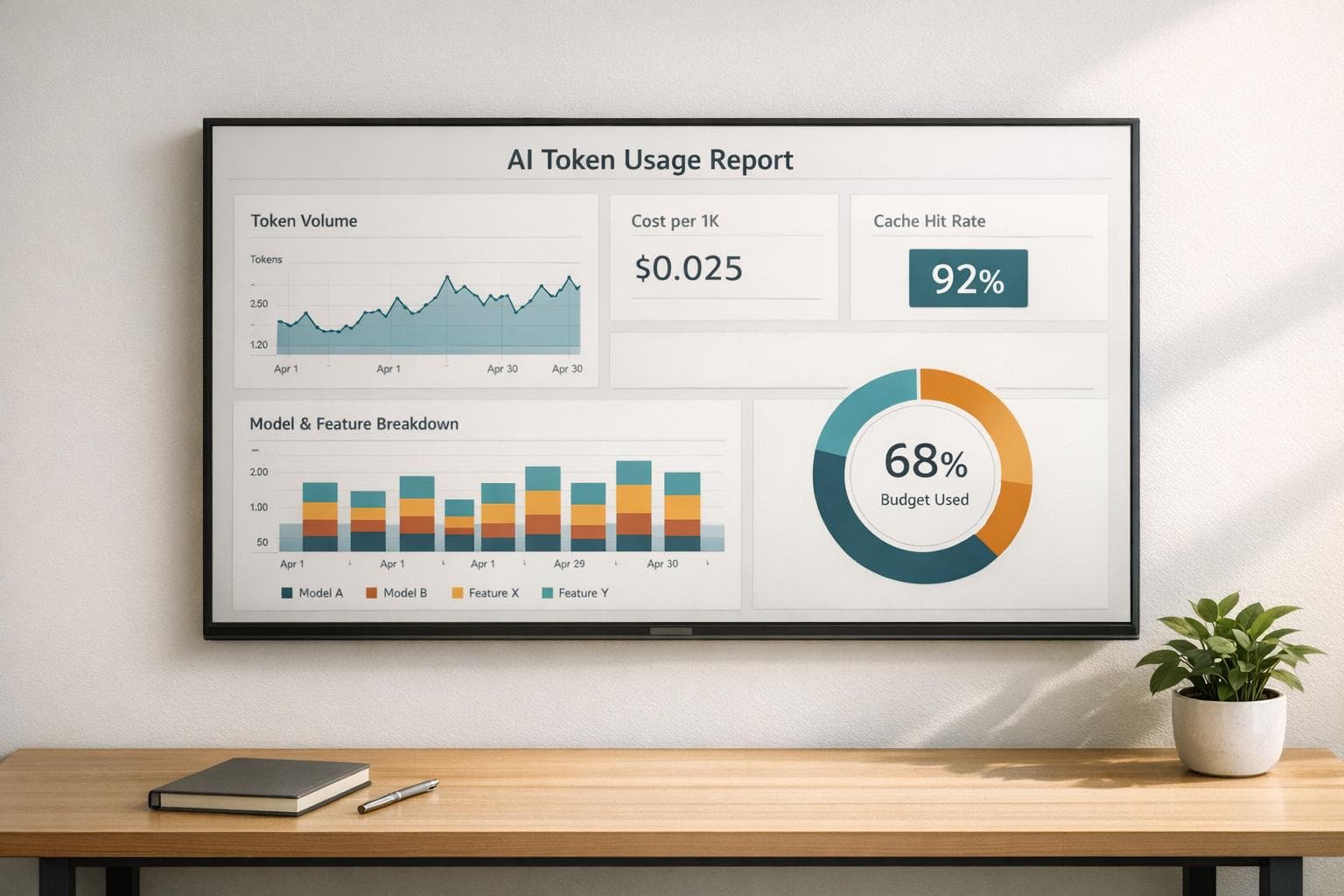
AI Token Usage Reports: What to Include
Build clear AI token usage reports with token volume, cost per 1K, model/feature breakdowns, cache hit rates, and budgeting.
Updates, guides, and insights
Showing
Build clear AI token usage reports with token volume, cost per 1K, model/feature breakdowns, cache hit rates, and budgeting.
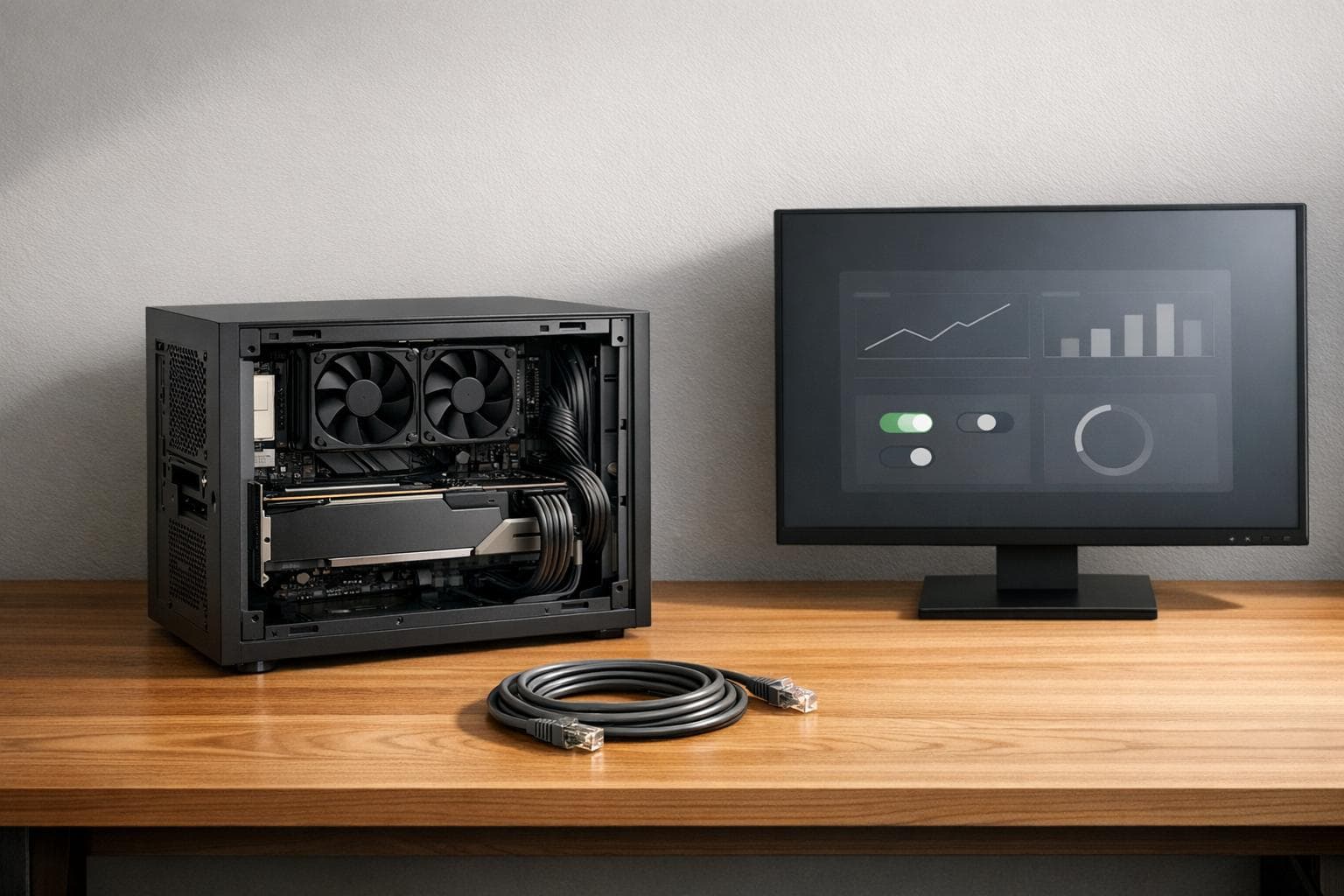
Run AI models locally for privacy, lower latency, and cloud-free performance — hardware, quantization, GGUF formats, and tools.

Compare local, cloud, and enterprise AI retention options, risks, and best practices for regulatory compliance.
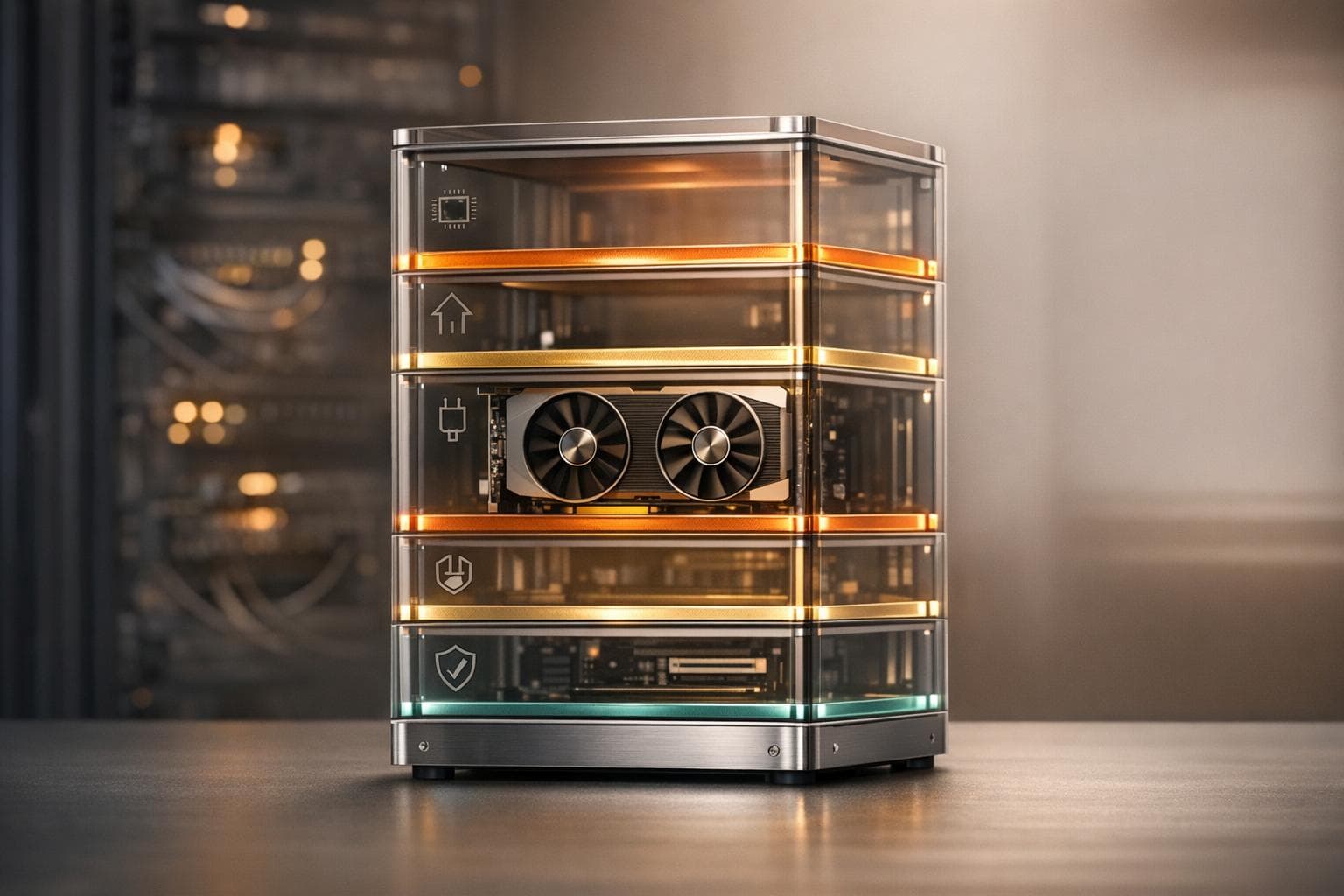
Compare the top five containerization tools for GPU-accelerated AI, covering GPU support, scalability, integrations, and security.
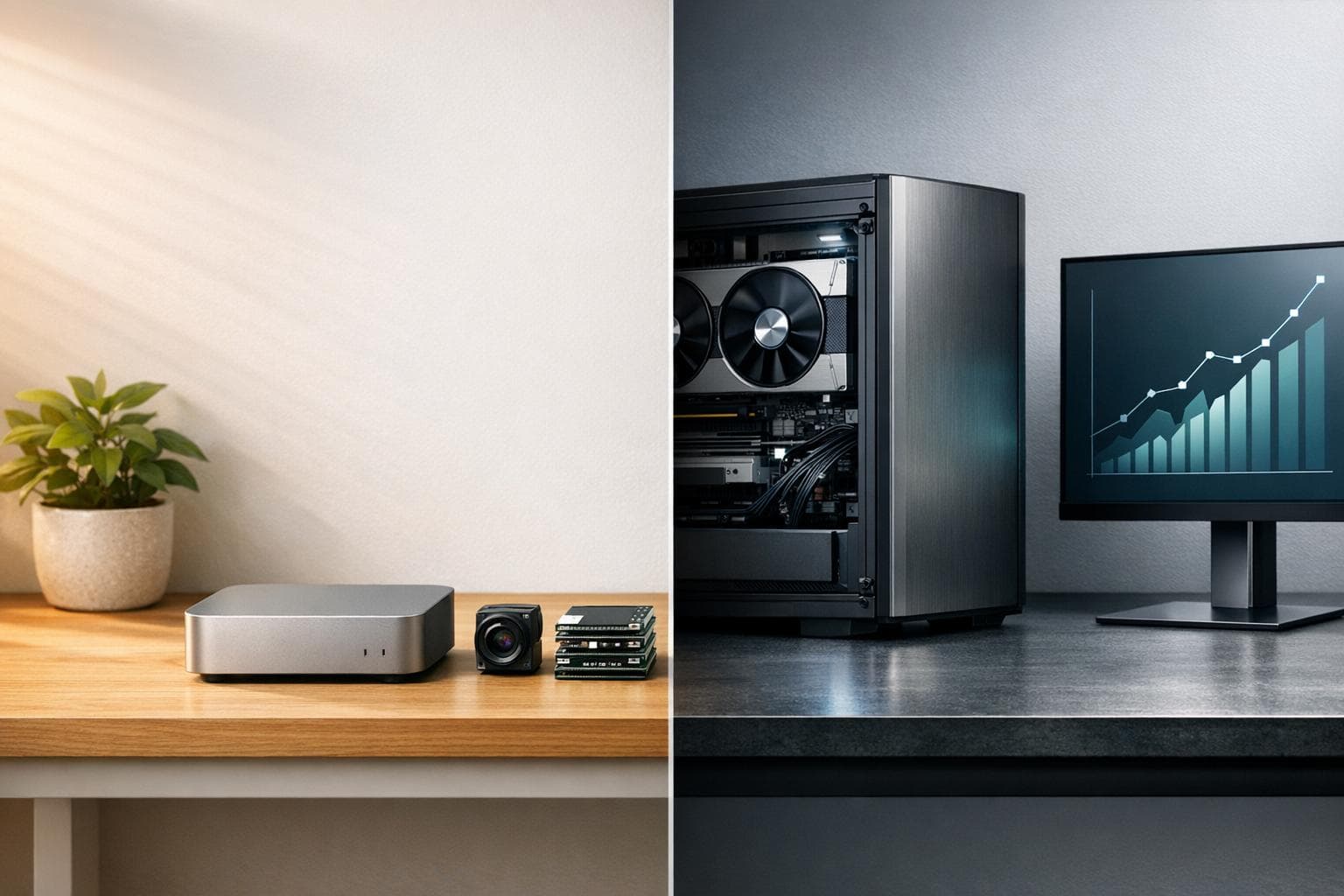
Compare ARM and x86 for AI workloads — ARM for energy-efficient edge inference; x86 for high-performance training and GPU-heavy tasks.
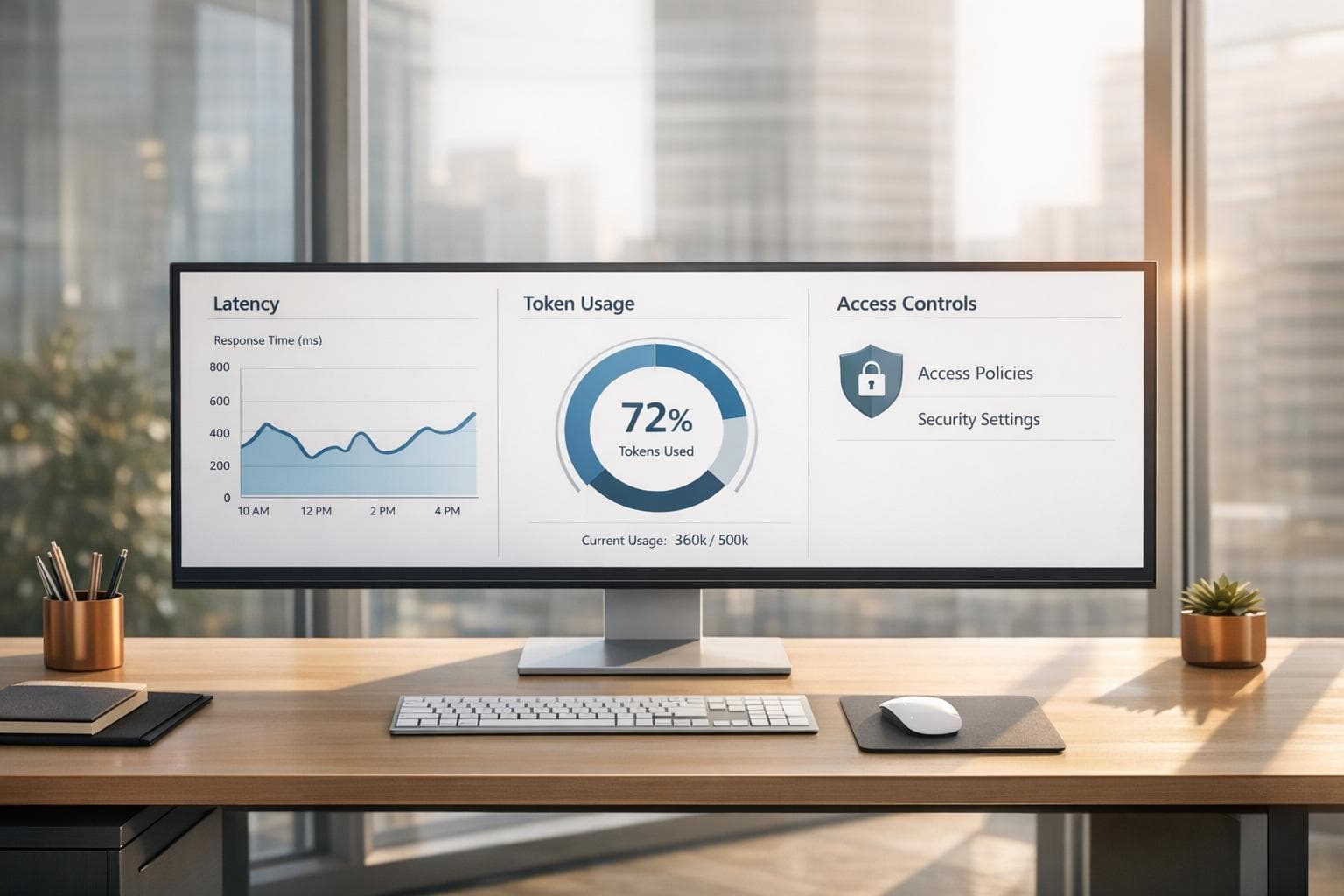
Retry transient errors with backoff, monitor tokens/latency, and secure access to reduce Azure OpenAI API failures and costs.
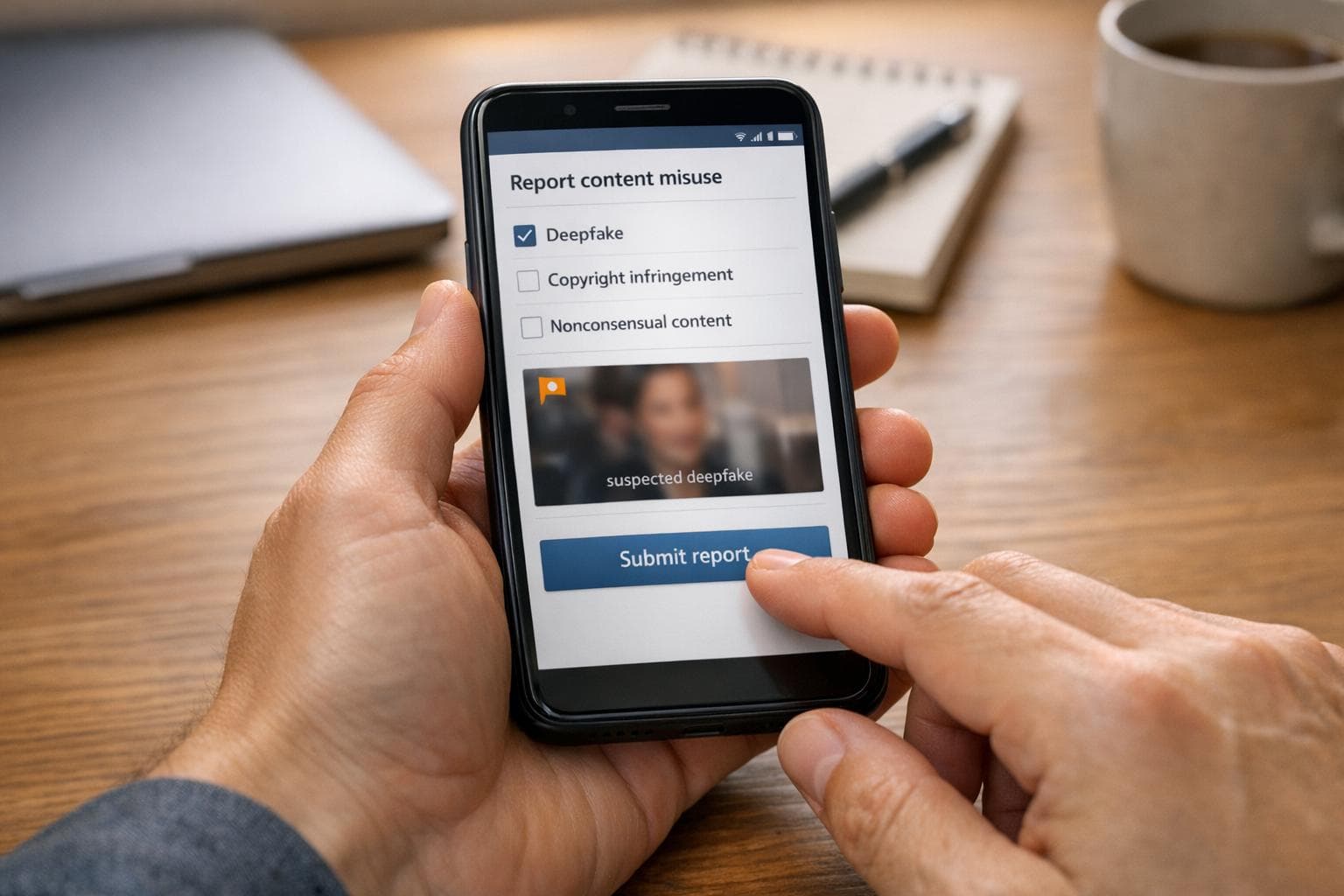
Clear, practical steps to identify, document, and report AI-generated deepfakes, copyright abuse, and nonconsensual content.

Compare five top AI weather models: architectures, speed, accuracy, and specialized uses for storms, cyclones, air quality, and waves.

Best practices for session tokens: short-lived access tokens, refresh rotation, CAE, and meeting NIST/PCI compliance.
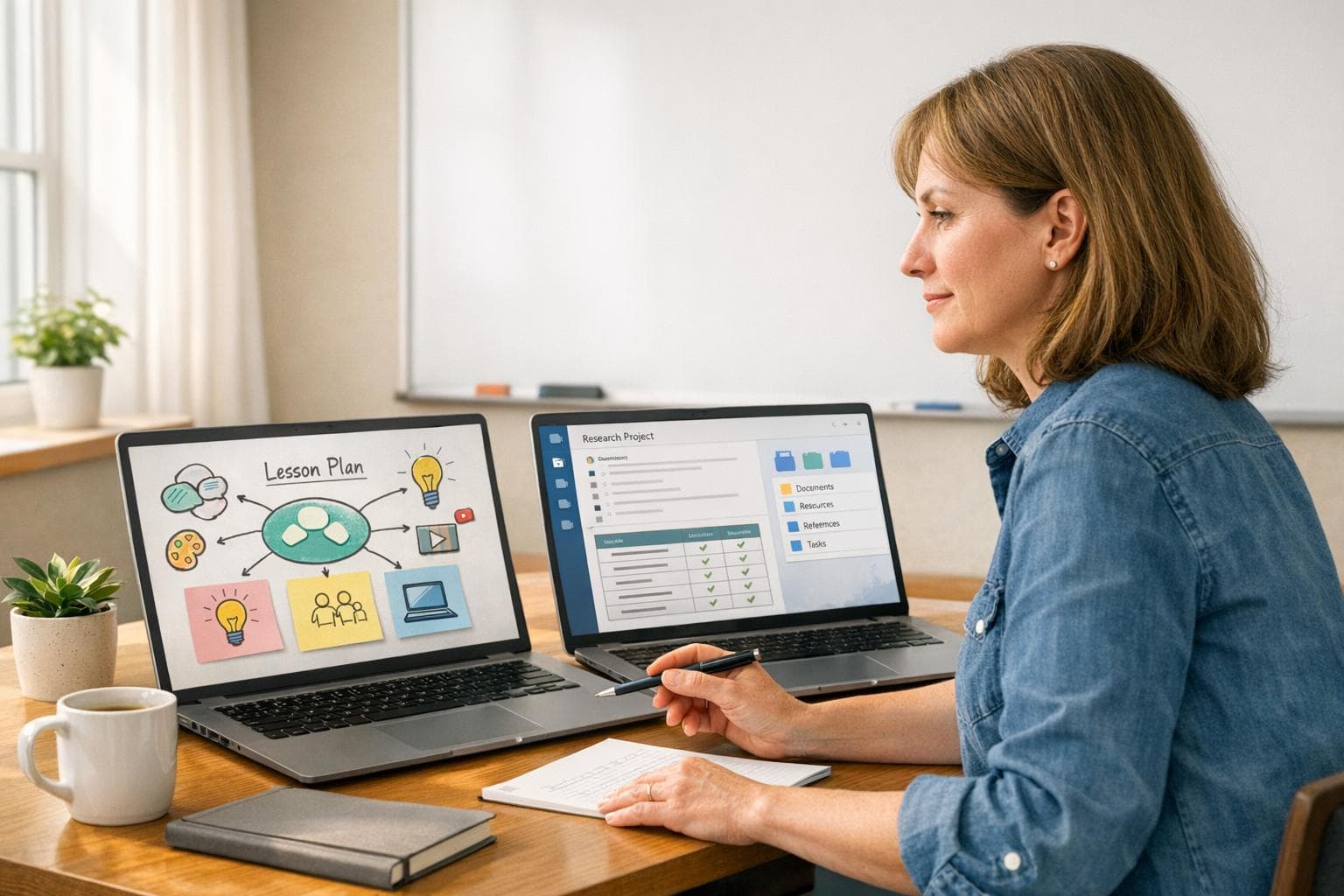
One AI fuels creative lesson design; the other streamlines research and Google Workspace workflows.