
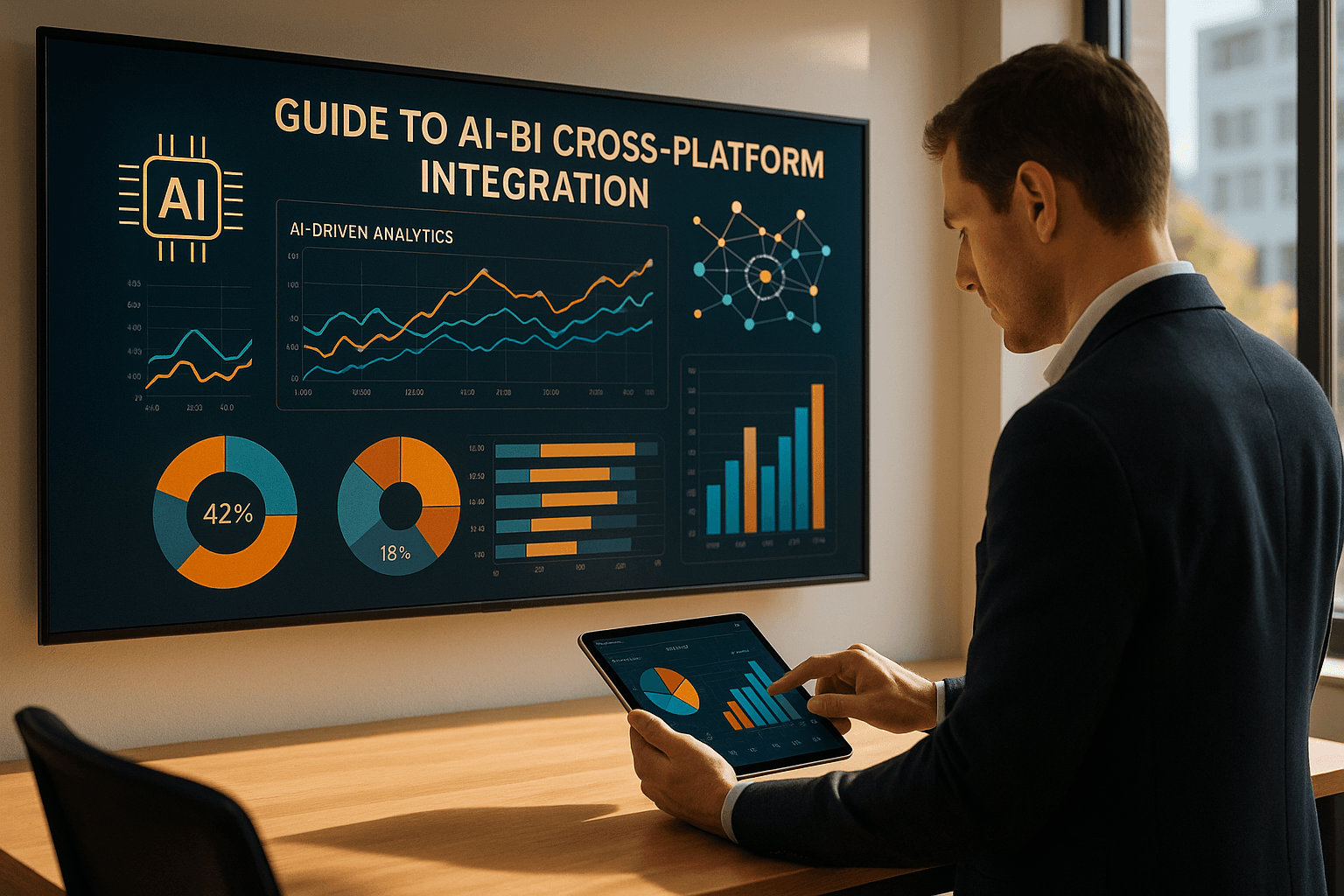
Guide to AI-BI Cross-Platform Integration
Explore how integrating AI with BI tools enhances decision-making, boosts efficiency, and addresses common challenges in cross-platform compatibility.
Updates, guides, and insights
Showing
Explore how integrating AI with BI tools enhances decision-making, boosts efficiency, and addresses common challenges in cross-platform compatibility.

Master error handling in streaming systems to ensure reliability and performance while minimizing disruptions and data loss.
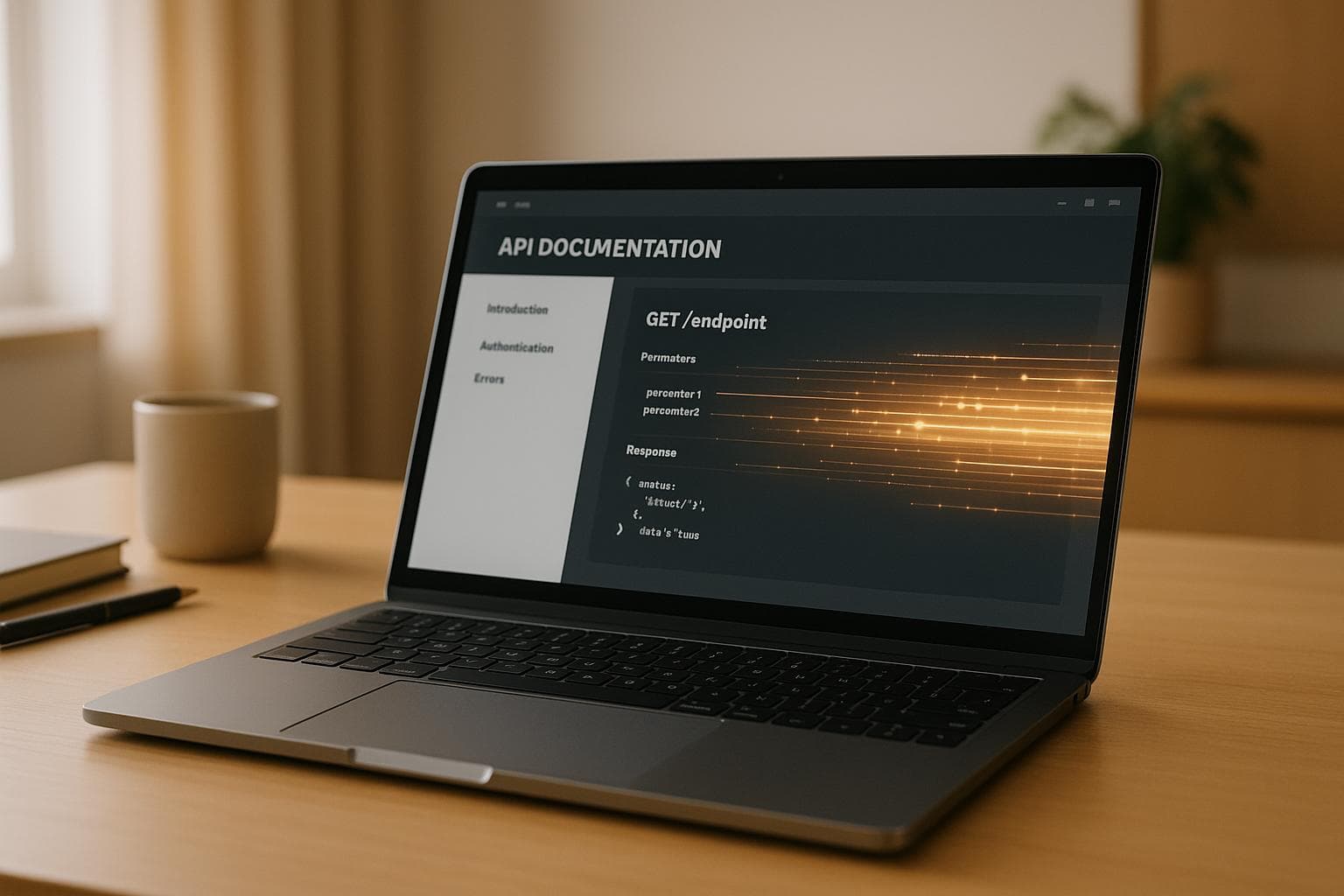
Explore how AI tools are revolutionizing API documentation by automating updates, enhancing accuracy, and saving time and costs for developers.

Explore how Role-Based Access Control enhances security, compliance, and user management in text generation APIs while addressing common challenges.

Explore how predictive analytics enhances edge computing by enabling real-time decision-making, optimizing resources, and improving security.
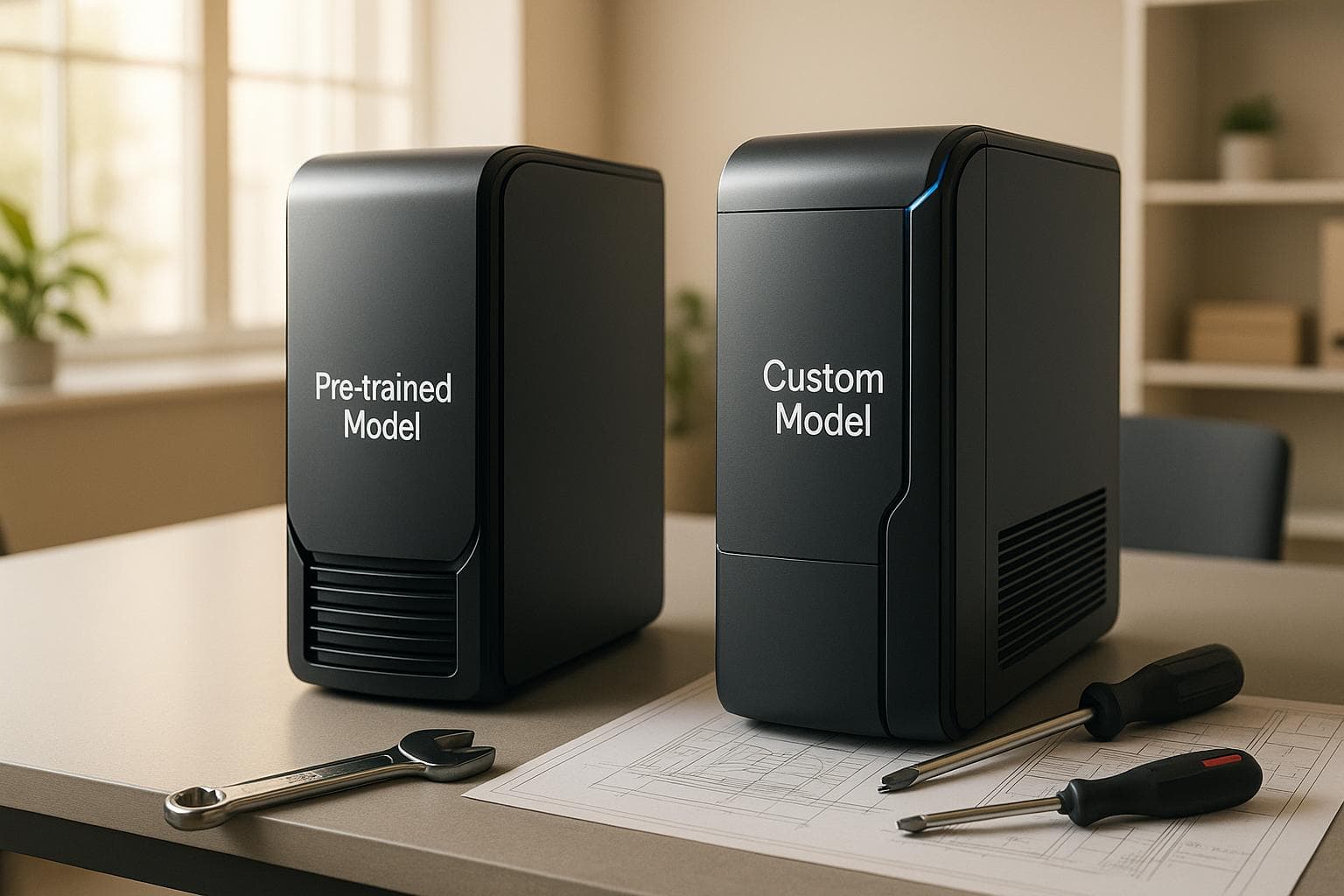
Explore the differences between pre-trained and custom AI models, including their scalability, cost, and suitability for specific business needs.

Learn how real-time upscaling with AI enhances images, providing sharp details and high quality for creators and professionals alike.
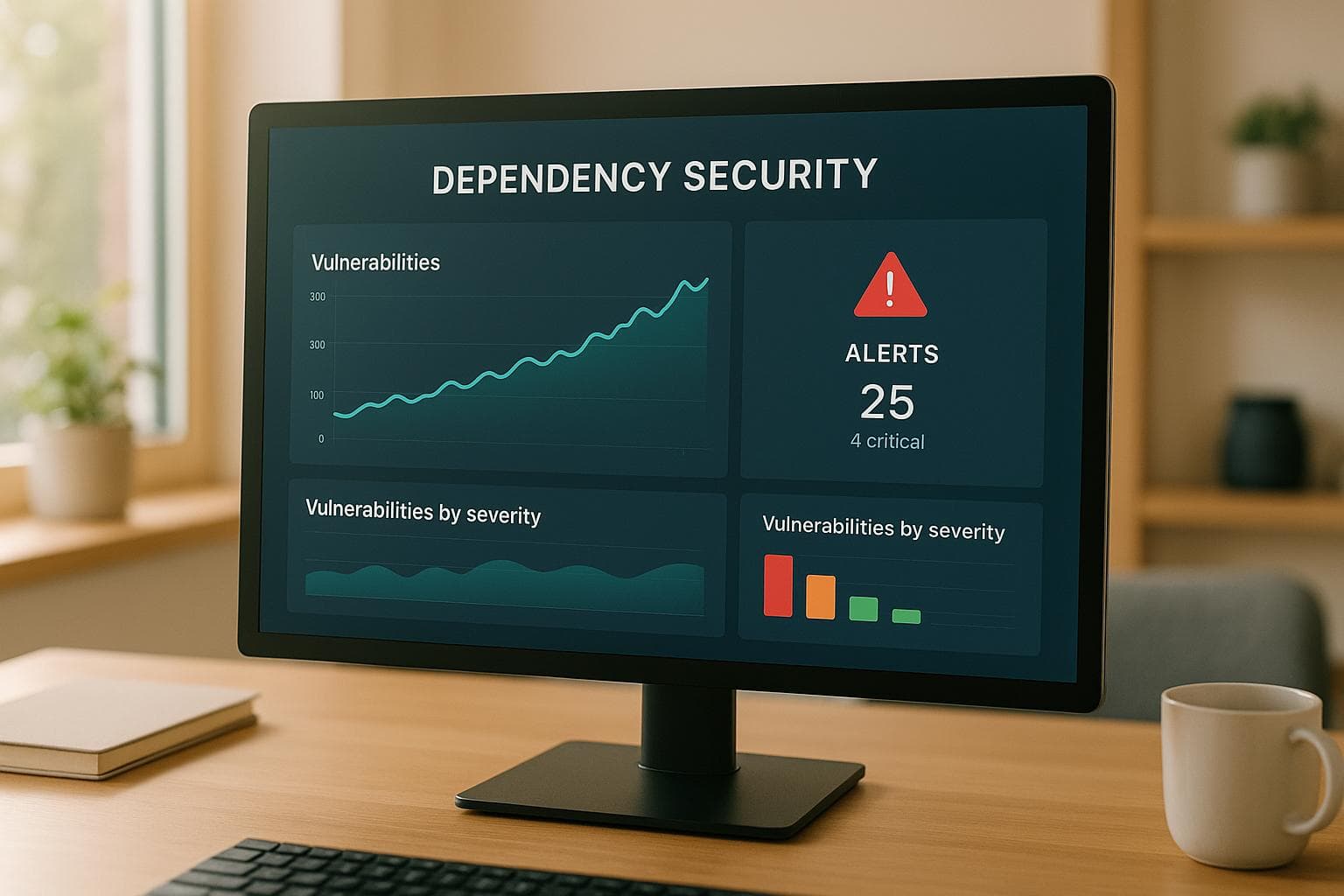
Real-time dependency monitoring is essential for securing software, identifying vulnerabilities, and reducing risks from outdated components.
Learn essential strategies for debugging AI models, from data quality checks to monitoring for model drift, ensuring accuracy and reliability.

Explore the advantages of domain-specific word embeddings, including improved accuracy, reduced ambiguity, and enhanced performance in specialized industries.